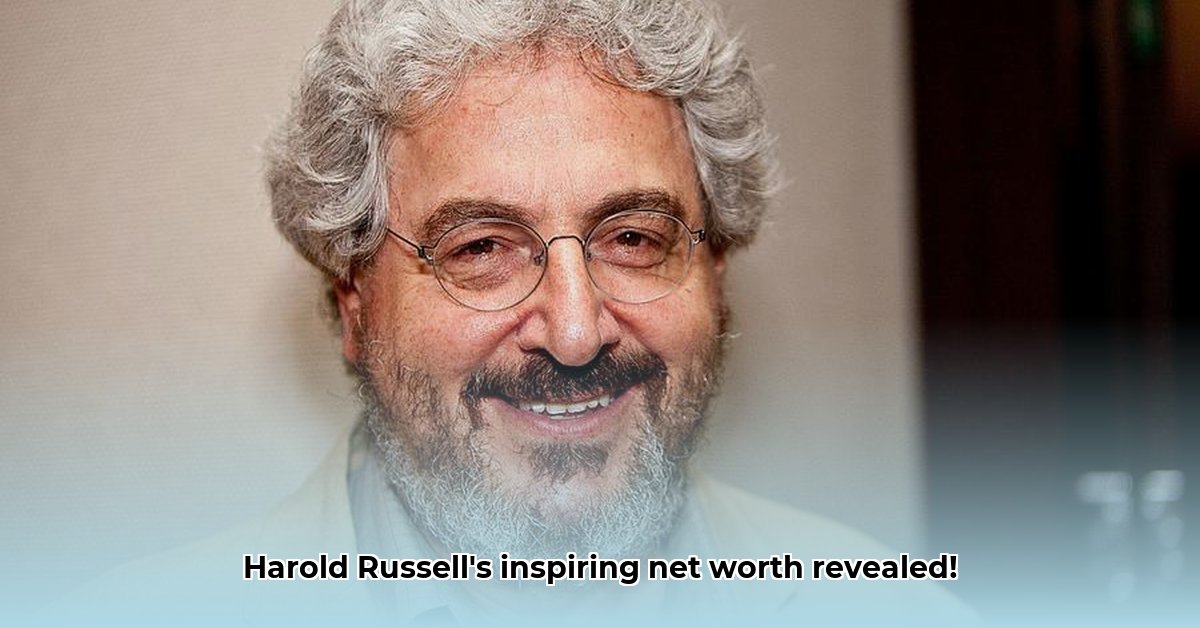
Harold Russell's story transcends mere monetary value. While the specifics of his net worth remain elusive, the impact of his life—forged in the crucible of war and culminating in a remarkable career marked by resilience and advocacy—is profoundly richer and far more significant. This narrative explores the journey of a man who, despite immense hardship, left an indelible mark on Hollywood and the lives of countless veterans.
From War's Scars to Hollywood's Glory: A Life Redefined
Harold Russell's life took a devastating turn during World War II. The loss of both hands, a catastrophic injury, forever altered his trajectory. Yet, from this profound adversity emerged an astonishing resilience that defied expectations. This resilience, captured beautifully in his performance in The Best Years of Our Lives, is what truly defines his legacy. His portrayal of Homer Parrish, a veteran struggling with physical and emotional wounds, resonated deeply, earning him two Oscars – one competitive, the other honorary. These awards marked not just acting prowess, but also a groundbreaking moment for on-screen representation of disability.
But how did this extraordinary success in Hollywood translate to wealth? The answer is far from straightforward. Mid-20th-century Hollywood, while offering immense fame, didn't always ensure commensurate financial rewards for its actors. Though Russell's success was undeniable, his financial situation likely remained modest compared to today’s standards.
The Complexities of Fame and Fortune: A Mid-20th Century Perspective
The entertainment landscape of the mid-20th century differed dramatically from the current one. While achieving widespread popularity was possible, the financial rewards often lagged behind the level of fame. This was especially true for actors whose fame stemmed primarily from a single, critically-acclaimed role. While Russell continued acting after The Best Years of Our Lives, these subsequent roles likely had a minimal impact on his overall financial standing. His true wealth lay elsewhere.
A Legacy Beyond the Screen: Advocacy and Enduring Influence
Harold Russell's impact extends far beyond his acting career. He dedicated his life to advocating for disabled veterans, working tirelessly with organizations like AMVETS to improve their lives. He championed better employment opportunities and integration into society, leveraging his own experiences to inspire meaningful change. This fervent commitment underscores the values that truly defined him. For Russell, true wealth was measured not in dollars, but in the positive influence he exerted on the lives that he touched.
Unraveling the Enigma: Harold Russell's Net Worth – A Reframing of Value
Determining Harold Russell's precise net worth proves difficult. Detailed financial records are not readily available. However, attempting to quantify his legacy solely through financial metrics profoundly misses the point. His story serves as a powerful testament to the human spirit's resilience, the significance of advocacy, and the transformative power of authentic representation in film. His life challenges us to reconsider our definition of "wealth," urging us to recognize that true value extends far beyond monetary accumulation. Harold Russell's contribution remains immeasurable, a lasting testament to a life lived with purpose and unwavering dedication.
How Did Harold Russell’s Oscar Win Impact Veteran Advocacy?
His story offers a powerful case study in the intersection of personal triumph, national recognition, and meaningful social impact.
Three Pivotal Points:
- Unprecedented Visibility: His dual Oscar win for The Best Years of Our Lives brought unparalleled attention to the challenges faced by disabled veterans, moving the issue from the periphery to the forefront of national consciousness.
- Amplified Advocacy: The awards provided Russell with a powerful platform to advocate more effectively for better opportunities and support systems for his fellow veterans, influencing policy and fostering social change.
- Enduring Legacy: His commitment to advocacy far outlasted his acting career, cementing his legacy as not only a celebrated actor, but as a tireless champion for disability rights and veteran well-being.